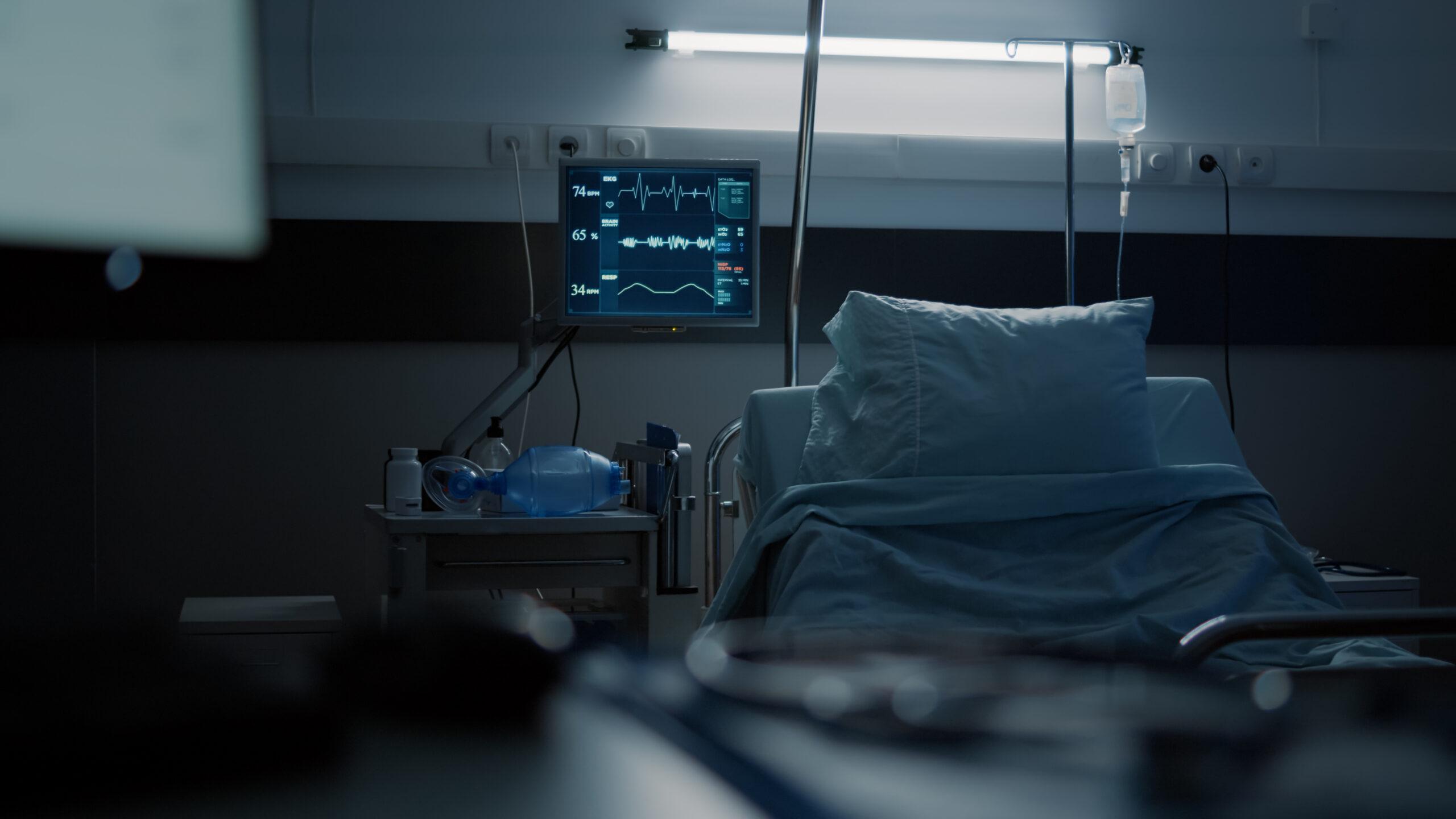
How Remote Monitoring is Changing Critical Care
Planning Recovery Beyond the ICU
Leaving the Intensive Care Unit (ICU) is a significant milestone, but it is not the end of the recovery journey. Many patients continue to experience physical weakness, fatigue, breathing difficulties, nutritional challenges, or emotional stress long after they are discharged. A structured recovery plan helps patients regain strength safely while reducing the risk of complications and readmission.
At Critical Care Unified (CCU), we believe recovery should be continuous, coordinated, and centred around the patient's individual needs.
Recovery Begins the Moment You Leave the ICU
Patients recovering from critical illness often require ongoing medical supervision even after they are considered stable enough to leave intensive care. Recovery plans vary depending on the patient's condition, but may include nursing support, physiotherapy, medication management, respiratory care, nutritional guidance, and regular clinical reviews.
The goal is to help patients regain independence while ensuring they continue to receive the appropriate level of care throughout their recovery.
Common Challenges After ICU
Every recovery journey is unique, but many patients experience similar challenges during the weeks following ICU discharge.
- Muscle weakness and reduced mobility
- Difficulty breathing or reduced lung capacity
- Fatigue and low energy levels
- Changes in appetite or nutritional deficiencies
- Anxiety, stress, or emotional adjustment
- Ongoing medication and wound management
Recognising these challenges early allows healthcare teams to provide timely support and improve long-term recovery outcomes.
The Importance of Rehabilitation
Rehabilitation plays a vital role in helping patients rebuild strength and confidence. Depending on clinical needs, rehabilitation may involve physiotherapy, respiratory therapy, occupational therapy, nutritional counselling, and regular monitoring by healthcare professionals.
Starting rehabilitation early and following a structured recovery programme can improve mobility, reduce complications, and help patients return to daily activities more comfortably.
Continuing Care at Home
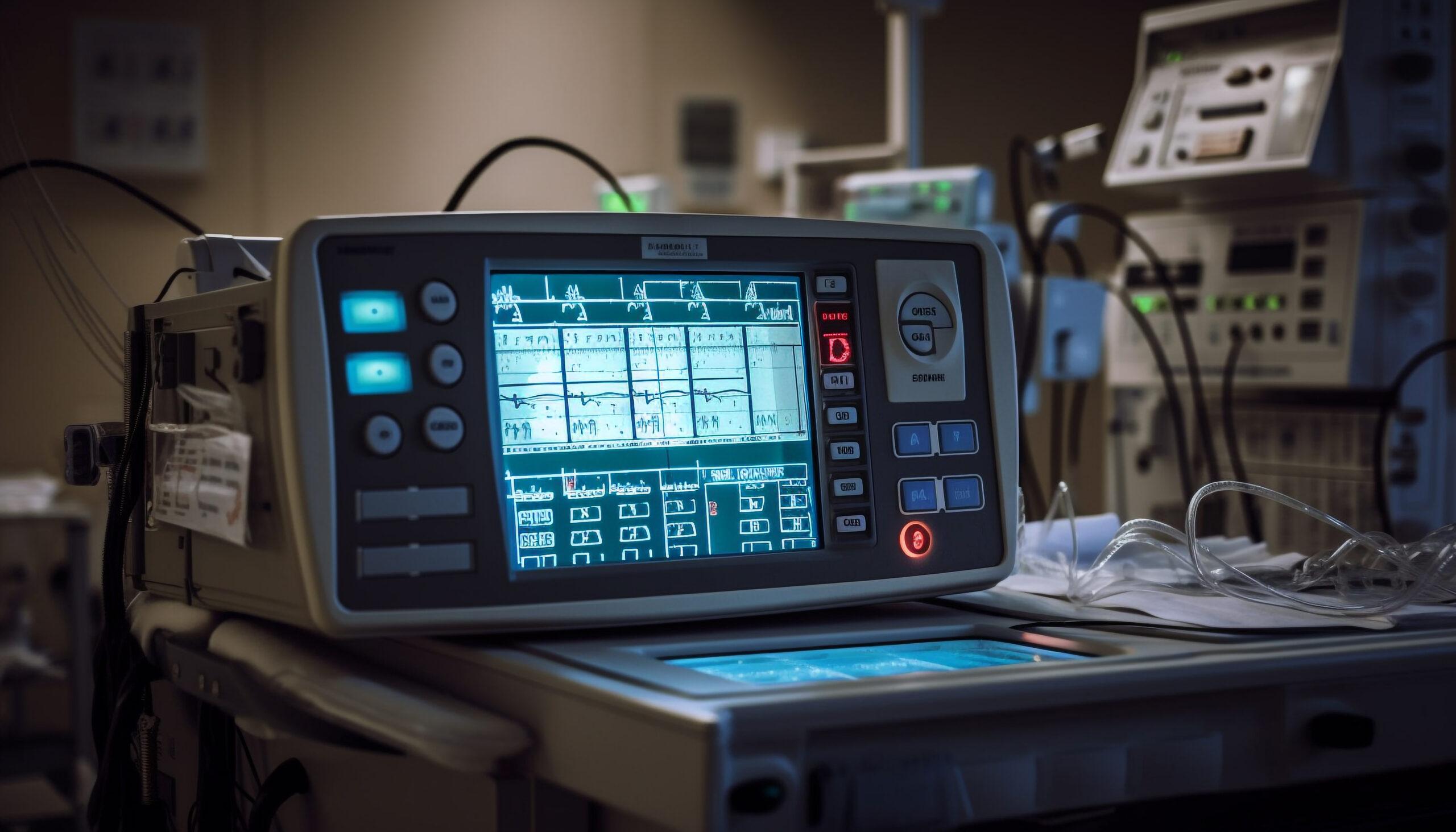
For many patients, recovery is most comfortable in familiar surroundings. When clinically appropriate, hospital-level care can continue at home through trained nurses, specialist supervision, remote monitoring, and coordinated care plans.
Home-based critical care allows patients to recover in a supportive environment while remaining connected to experienced clinical teams who monitor progress and respond promptly if conditions change.
Need Guidance After ICU Discharge?
Whether you're planning recovery at home, arranging specialist nursing support, or seeking advice on rehabilitation, our clinical team is here to help you navigate the next stage of your recovery journey with confidence.